Category: Opinion & Analysis

Why Big Tech AI Capital Expenditure and Earnings Outperformance Are Driving Global Market Breadth and Equity Momentum
Opinion & Analysis

Why Big Tech AI Capital Expenditure and Earnings Outperformance Are Driving Global Market Breadth and Equity Momentum

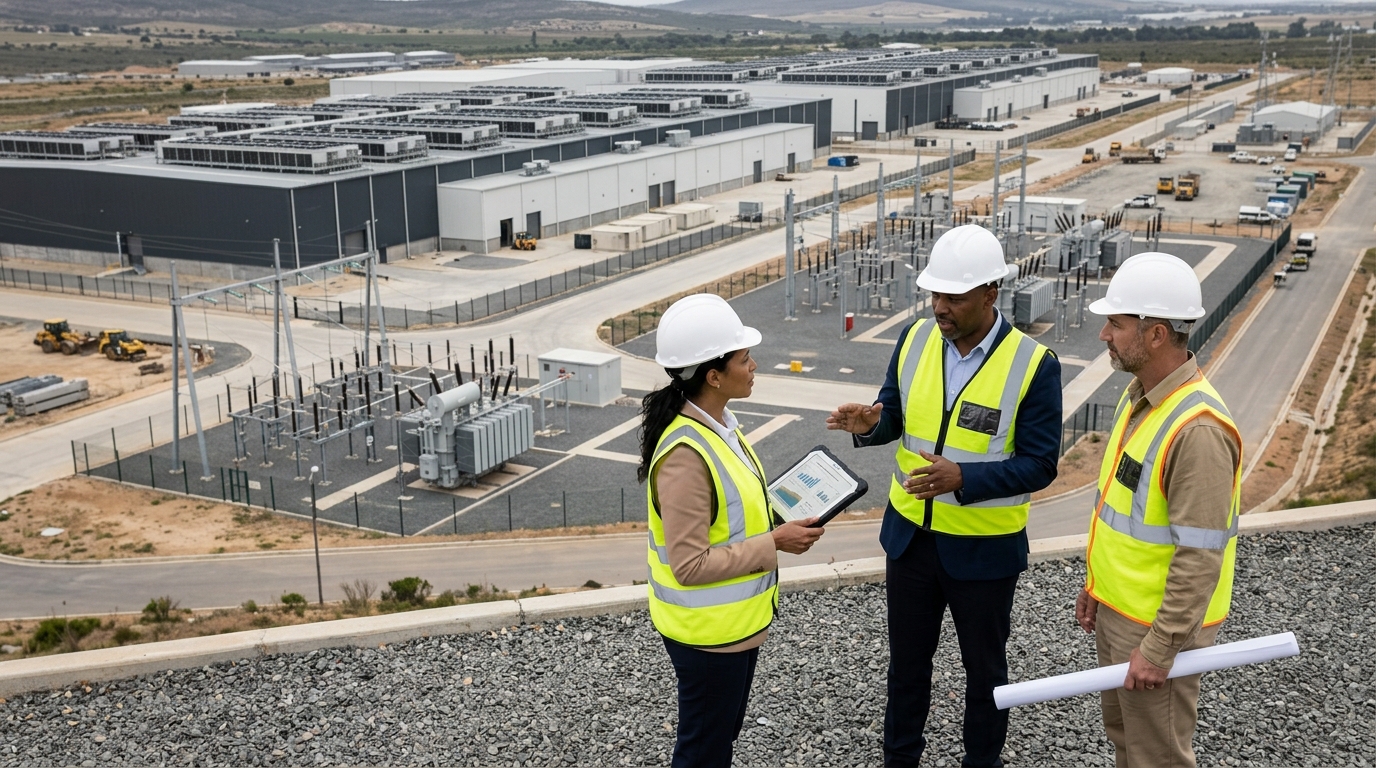
As multi-trillion-dollar hyperscalers execute the largest capital expenditure deployment in history, an astonishing financial phenomenon is unfolding across global capital markets. What began as a highly concentrated speculative bet on artificial intelligence infrastructure has transformed into a systemic macroeconomic catalyst. Tens of billions of dollars in quarterly corporate capex are spilling out of server farms and cloud architectures, cascading directly into electrical grid modernization, industrial machinery, specialized semiconductor supply chains, energy generation, and commercial real estate.

Why Surging Sterling and Fiscal Uncertainty Are Testing U.K. Sovereign Debt Valuations Ahead of Budget Debates
Opinion & Analysis

Why Surging Sterling and Fiscal Uncertainty Are Testing U.K. Sovereign Debt Valuations Ahead of Budget Debates

The British pound has put on a remarkable display of currency strength, rallying past key multi-month highs against the U.S. dollar and leaving European peers in the dust. But behind this glittering exterior lies a far more volatile, paradoxical truth: foreign exchange traders aren't celebrating a booming U.K. economic renaissance. They are pricing in persistent, stubborn inflation that is forcing the Bank of England to keep interest rates elevated, even as the government’s own borrowing costs surge to multi-decade record territory.

Why Multi-Trillion AI Infrastructure Capital Expenditure Is Driving Global Market Resilience and Sovereign Debt Demand
Opinion & Analysis

Why Multi-Trillion AI Infrastructure Capital Expenditure Is Driving Global Market Resilience and Sovereign Debt Demand

The modern global economy is currently witnessing the most capital-intensive technological deployment in human history. We have entered the era of the multi-trillion-dollar Artificial Intelligence supercycle—a relentless, industrial-scale infrastructure buildout that makes the nineteenth-century railway boom look like a minor capital investment.

Why the Global Economy Continues Defying Energy Shocks, High Tariffs, and Persistent Inflation Pressures
Opinion & Analysis

Why the Global Economy Continues Defying Energy Shocks, High Tariffs, and Persistent Inflation Pressures

The consensus playbook for global macroeconomics has officially broken down. For decades, the financial world operated on a set of ironclad mathematical assumptions: stack a multi-year global pandemic on top of the largest European land war in eighty years, unleash a series of severe energy price shocks, spike baseline interest rates to multi-decade highs, and layer on an aggressive resurgence of international trade tariffs—and the inevitable result would be a devastating, synchronized global economic recession.

Why Q4 Market Positioning and Reset Valuations Signal Broad Institutional Realignment Ahead of Earnings Season
Opinion & Analysis

Why Q4 Market Positioning and Reset Valuations Signal Broad Institutional Realignment Ahead of Earnings Season

As the calendar turns to the final quarter of the year, a silent structural shift has swept through global trading desks, hedge funds, and multi-trillion-dollar asset management institutions. The aggressive momentum trades that defined the summer months have cooled, leverage has been systematically unwound, and valuation multiples across mega-cap growth and technology sectors have experienced a pronounced, deliberate reset.

ECB Rate Hikes Highlight Growing Central Bank Dilemma over War-Induced Energy Inflation
Opinion & Analysis

ECB Rate Hikes Highlight Growing Central Bank Dilemma over War-Induced Energy Inflation

On September 10, 2026, the European Central Bank (ECB) resumed its aggressive stance against inflation, delivering a 25 basis point rate hike that pushed the Deposit Facility rate to 2.50% and the Main Refinancing Operations rate to 2.65%. The Governing Council’s decision in Frankfurt laid bare a compounding existential dilemma facing modern monetary policymakers.

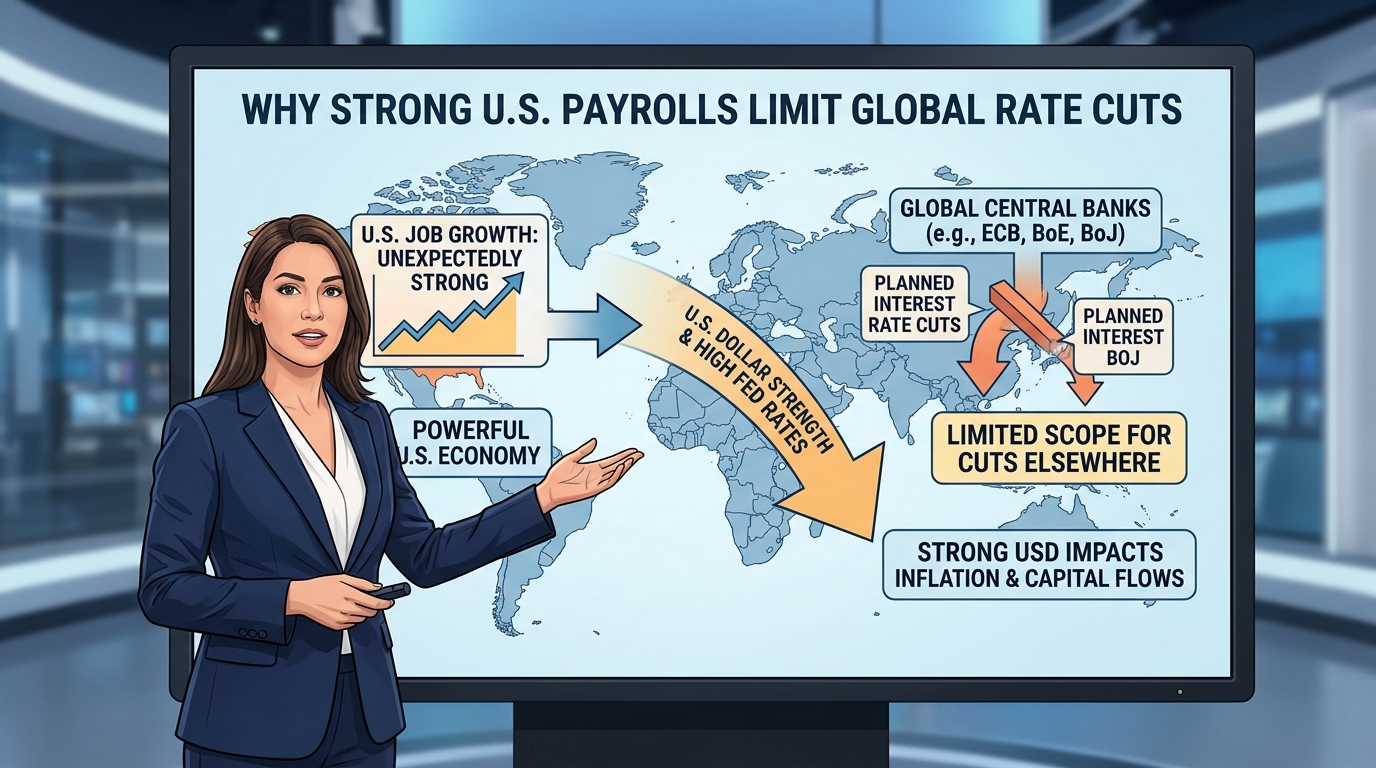
Why Unexpectedly Strong U.S. Payroll Data Limits Scope for Global Central Bank Interest Rate Cuts
Opinion & Analysis

Why Unexpectedly Strong U.S. Payroll Data Limits Scope for Global Central Bank Interest Rate Cuts

The global monetary playbook just encountered a massive roadblock in the American labor market. For months, financial institutions, sovereign wealth funds, and global asset managers operated under a shared macroeconomic assumption: a synchronized global monetary easing cycle was underway. With inflation retreating from its historic peaks, major central banks—from Frankfurt to London and Washington—were expected to steadily lower interest rates.

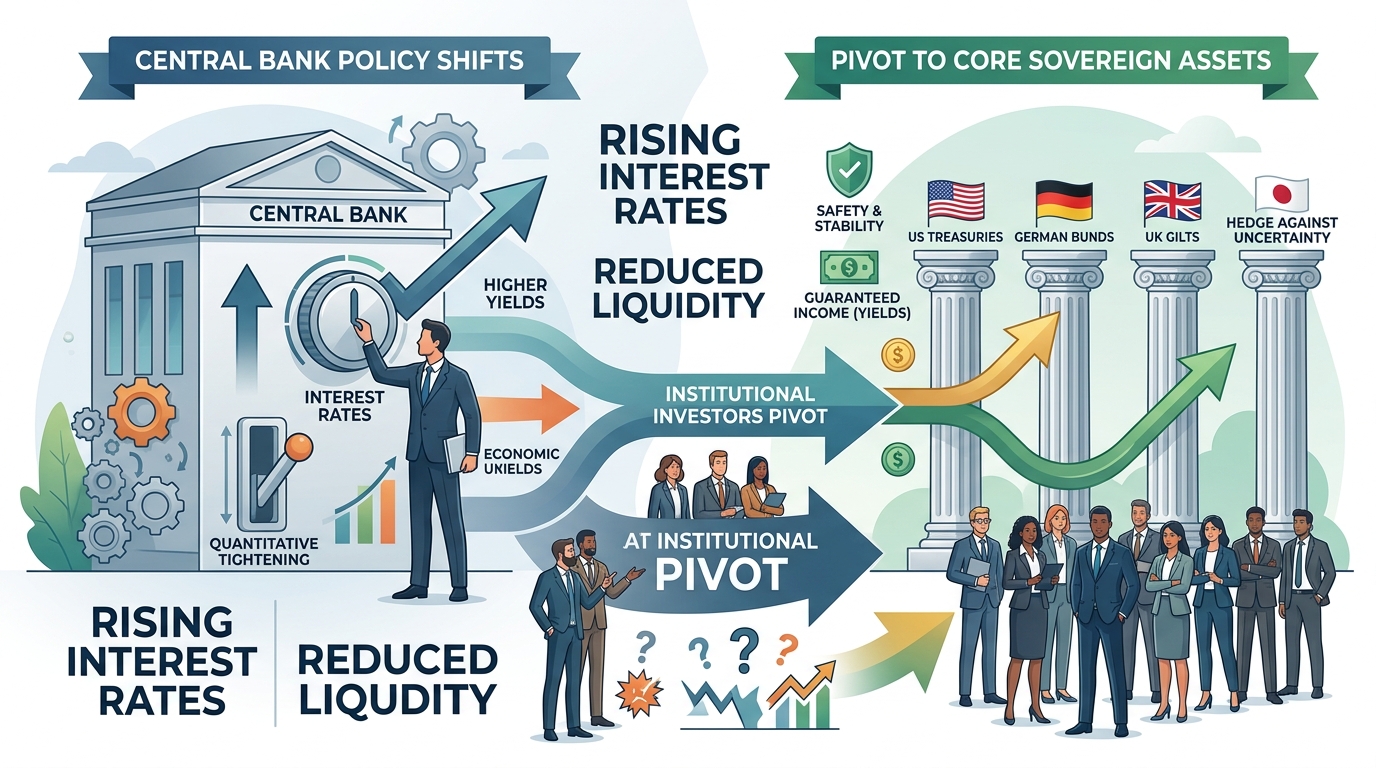
Why Central Bank Policy Shifts Are Prompting Institutional Investors to Pivot Toward Core Sovereign Assets
Opinion & Analysis

Why Central Bank Policy Shifts Are Prompting Institutional Investors to Pivot Toward Core Sovereign Assets

The monetary apparatus that fueled a decade of speculative mania has broken its own machinery. For nearly fifteen years, the global institutional investment apparatus operated under a single, unspoken imperative: chase yield down the risk spectrum. When central banks pinned policy rates near zero and flooded fixed-income markets with trillions in balance-sheet expansion, sovereign paper became a drag on performance. Asset managers were forced into compressed corporate spreads, private credit, and highly leveraged equity strategies just to clear benchmark liabilities.

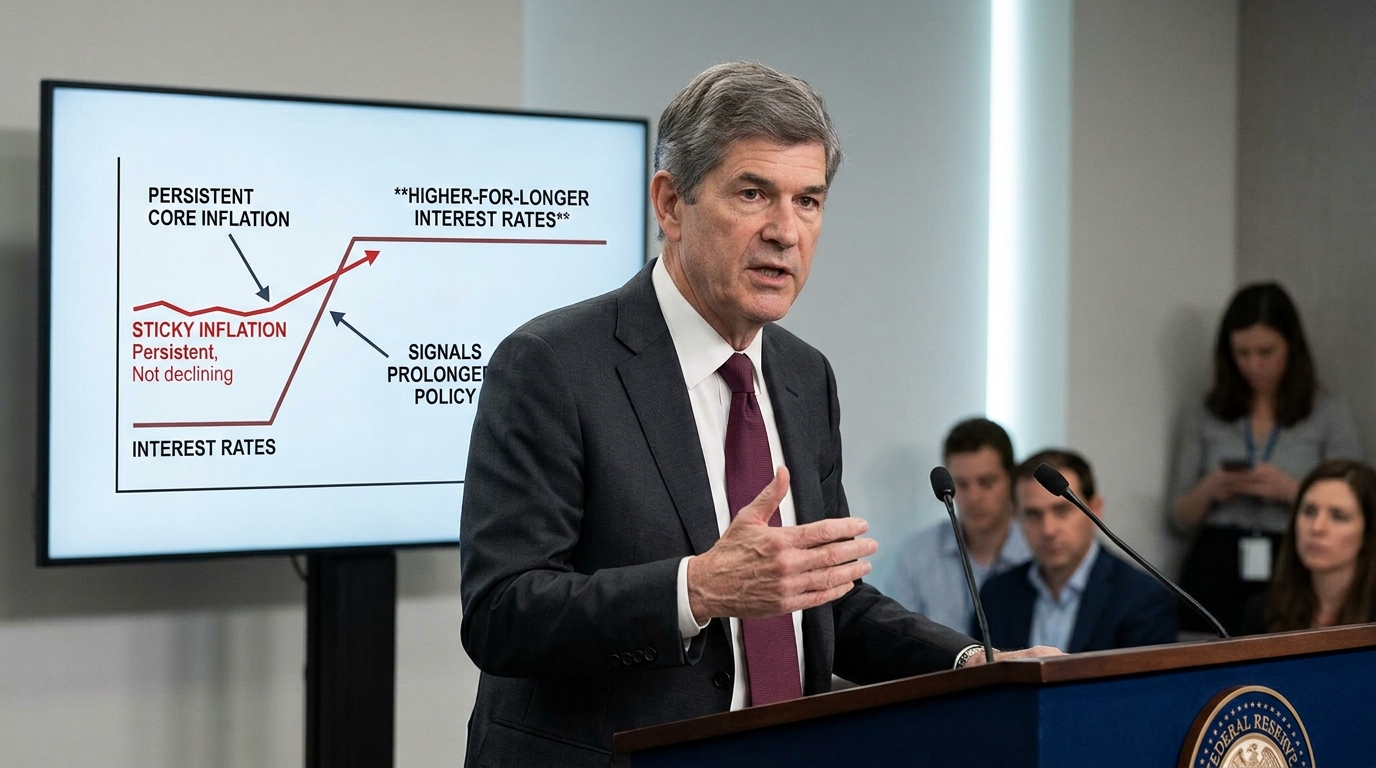
Why Federal Reserve Chair Warsh’s Focus on Sticky Inflation Signals Prolonged Higher-for-Longer Interest Rate Policy
Opinion & Analysis

Why Federal Reserve Chair Warsh’s Focus on Sticky Inflation Signals Prolonged Higher-for-Longer Interest Rate Policy

The low-interest rate era is officially dead, and the Federal Reserve’s new chief just delivered its formal eulogy. When Federal Reserve Chair Kevin Warsh took the stage at the Jackson Hole Economic Policy Symposium, global markets were desperate for a lifeline—a subtle hint of rate cuts or a promise of monetary relief. Instead, they received a stark warning on sticky inflation that reshaped the global economic playbook.