Category: Global politics || Posted Jul 22, 2026
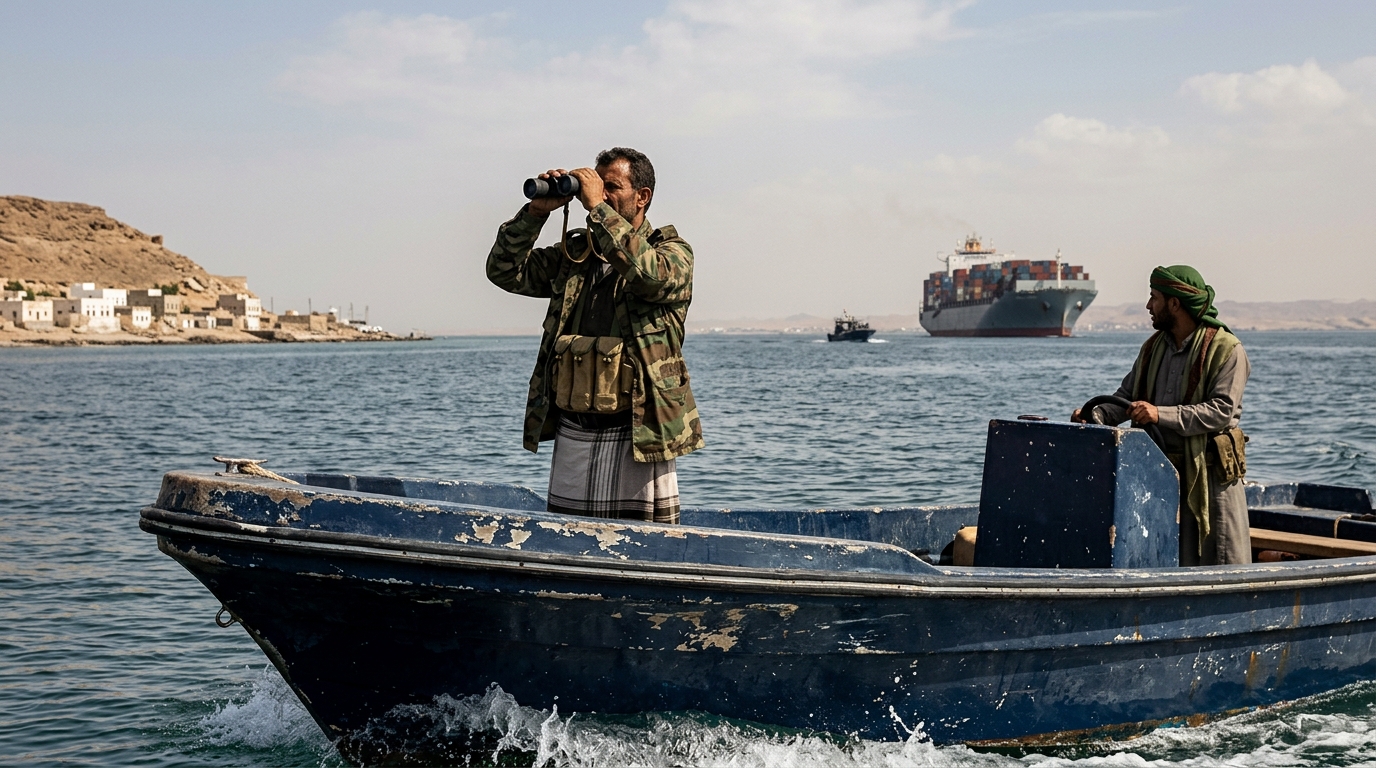
Yemen's Houthis Declare Naval Blockade of Saudi Arabia, Opening New Front in Mideast War
What began as targeted skirmishes has rapidly spiraled into a relentless regional confrontation. U.S. Central Command (CENTCOM) completed its ninth consecutive night of intensive military strikes targeting key infrastructure inside Iran. With U.S. forces already initiating a tenth wave of bombings, the situation marks one of the most significant military escalations in the Persian Gulf in recent history.
What Were the Targets in the Night 9 Wave?
According to statements released by CENTCOM, the latest wave of air and naval strikes focused on dismantling critical offensive and defensive networks:
- Command & Control Nodes: Tactical leadership centers coordinating military operations.
- Air Defense & Coastal Radar: Tracking sites along the Iranian coastline.
- Launch Sites: Heavy targeting of ballistic missile positions and kamikaze drone depots.
- Maritime Assets: Iranian naval capabilities aimed at interfering with commercial shipping in the Persian Gulf.
Triggers & Rising Human Cost
The continuation of these strikes follows mounting military casualties. President Donald Trump framed the operations as direct retaliation for American service members killed across the Middle East. Recent casualties include a U.S. soldier killed in northern Iraq during a controlled detonation of a downed Iranian drone, alongside deaths from missile strikes in Jordan.
In Iran, the Health Ministry reported dozens killed and hundreds injured as strikes hit military facilities across multiple provinces. Meanwhile, civilian infrastructure in neighboring Gulf states has increasingly been dragged into the crossfire.
The Battle for the Strait of Hormuz: Approximately 20% of the world's petroleum passes through this narrow maritime chokepoint. U.S. Secretary of State Marco Rubio noted that Iran is attempting to leverage control of the strait. In response, the U.S. military has begun redirecting commercial traffic and enforcing what amounts to a naval blockade to protect international transit routes.
Regional Spillover Across the Gulf
The conflict is no longer confined to direct U.S.-Iran exchanges:
- Retaliatory Attacks in Bahrain & Kuwait: The Islamic Revolutionary Guard Corps (IRGC) claimed strikes on U.S. air defense installations in Bahrain and Kuwait, as well as mobile HIMARS positions at Kuwait's Arifjan base.
- Interceptions by Gulf Neighbors: Air defense systems in Kuwait and Jordan have been active, intercepting hostile Iranian drones and missiles aimed at local bases and infrastructure.
- Yemen's Houthis Escalate: In a further broadening of the theater, Yemen's Houthi movement declared a maritime blockade against Saudi Arabia, threatening oil export bypass routes.
Is There Room for Diplomacy?
Despite nine continuous nights of bombardment, narrow diplomatic channels remain active. Iranian officials confirmed they are reviewing de-escalation proposals delivered via third-party mediators, while diplomatic envoys have traveled to Islamabad, Pakistan, to explore terms for a potential pause. However, with strikes continuing into a tenth night, any path to a lasting cease-fire remains precarious.
US bombs Iran for ninth consecutive night as Gulf states intercept Iranian drones, missiles
This video provides reporting on the ninth night of airstrikes and highlights how neighboring Gulf nations are responding to retaliatory drone and missile launches.